
2026-09-05 ·
Skip Bin Sizes Geelong: What Size Bin Do I Need?
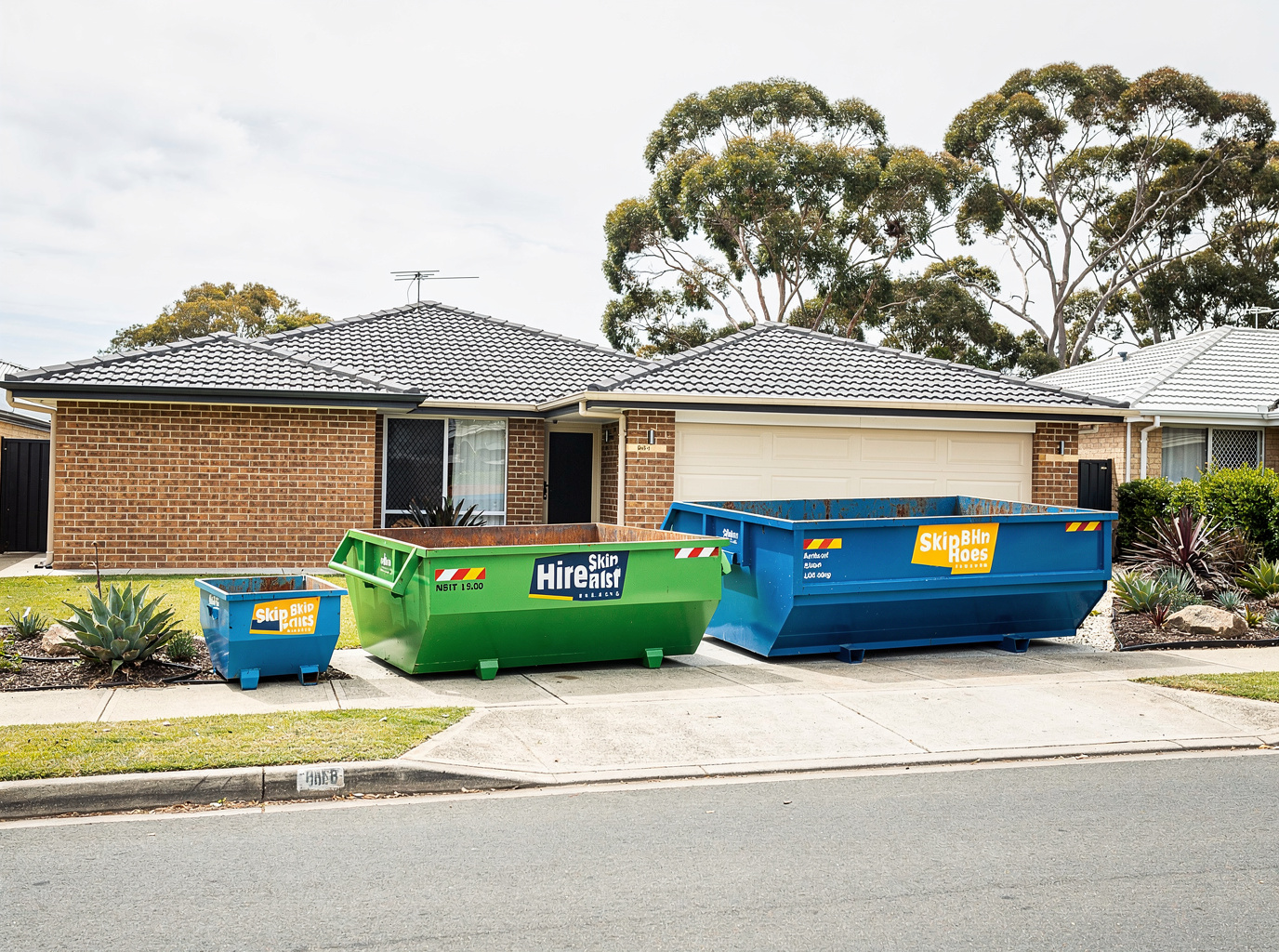
Most Geelong jobs need a 4m³ to 8m³ skip: a 4m³ covers a typical room or small bathroom gut, while 6m³–8m³ handles a kitchen, garage or roofing sheets. Go 9m³–12m³ for a full house strip or demolition. Volume is only half the story — soil, brick and concrete hit weight limits long before the bin looks full, especially on older weatherboard blocks in Newtown and Geelong West or new-build sites in Armstrong Creek.
Common Skip Bin Sizes Used Across Geelong
Hire skip bin Geelong operators usually stock 2m³, 3m³, 4m³, 6m³, 8m³, 9m³ and 12m³ units. A 2m³–3m³ bin suits a single room of light household junk or a small garden prune in compact streets around South Geelong and East Geelong. The 4m³ is the workhorse for household cleanout skip hire — think a spare room, old furniture and a few bags of green waste without blocking a narrow driveway in Belmont or Highton. 6m³ bins take a kitchen demolition or a decent garage clear, including plasterboard and timber offcuts. 8m³ is the usual choice when you are stripping a bathroom plus hallway or stacking roofing iron. 9m³–12m³ bins are for mixed building waste on larger renovations or when you are pulling a shed and a fence in one hit. Always check the footprint: a 12m³ skip needs a long, level pad and truck swing room that many inner Geelong West lanes simply do not have. We work from Geelong, Vic 3220 and can talk through dimensions before you book, Monday–Friday 8am–6pm or Saturday 9am–2pm.
Matching Bin Size to Your Job Type
A room-by-room cleanout in a 1950s brick veneer in Grovedale or Waurn Ponds rarely needs more than 4m³ if you keep mattresses and bulky lounges out until you know the remaining volume. Kitchen and bathroom renovations generate mixed plaster, tiles and cabinetry that look bulky but are still light — a 6m³ usually finishes the job if you load systematically. Full-house renovations and construction waste skip hire in Armstrong Creek or Mount Duneed often jump to 8m³–12m³ because new-home sites produce long offcuts and packaging that fill length before height. Garden and landscaping waste is deceptive: prunings from Highton hillsides compress, but wet soil from a Corio or Norlane excavation fills a 4m³ in a few barrow loads. Roofing jobs on older iron roofs around Newtown produce sheets that stack well in an 8m³ if you break them down. If you are unsure whether a 4m³ is enough for a reno, read our note on 4m³ skip bin Geelong before you order. The rule on the ground is: light mixed waste can go a size down; anything with soil, brick or concrete should go a size up.
Street Access, Driveways and Placement in Geelong Suburbs
Geelong’s housing stock and street layout decide whether the bin you want will actually fit. Inner streets in Newtown, Geelong West and Manifold Heights often have narrow nature strips, steep crossovers and parked cars that leave little room for a truck to drop an 8m³ or larger. Highton and Belmont have more slope; a skip on a downhill driveway can roll or sit crooked, so we look for a level pad or use smaller 4m³–6m³ units that the truck can place with less swing. Newer estates in Armstrong Creek, Charlemont and Mount Duneed usually have wider streets and longer driveways, which makes 9m³–12m³ placement straightforward. Flat industrial edges around North Geelong and Corio take heavy bins easily but watch overhead wires. If the skip must sit on the nature strip you may need a council permit — we flag that when we quote so you are not surprised. Measure the drop zone: most 6m³ bins need about 4.5m length and 1.8m width plus truck access. Getting size right also means getting placement right, or you end up with a bin you cannot fill safely.
Weight Limits, Heavy Waste and When to Go Bigger
Skip bins are limited by both cubic metres and tonnes. Soil, clay, concrete, bricks and tiles are dense. A 4m³ bin of clean fill or demolition rubble from a driveway in Leopold or a pool surround in Ocean Grove can hit the weight cap while looking half empty. That is why soil and dirt skip hire and brick jobs often use a smaller footprint but a dedicated heavy-waste bin rather than a general mixed skip. Light waste — cardboard, plastics, household junk, dry green waste — can fill an 8m³ without approaching the tonne limit. Mixed building waste sits in the middle: plasterboard and timber are light, but a few pallets of tiles or wet plaster push weight up fast. If your job in Lara or Batesford includes excavation, order for weight first and volume second. Overloading is not an option; we cannot legally lift an over-weight bin, and you lose time waiting for a second drop. When in doubt, split heavy and light streams rather than forcing everything into one oversized mixed bin. Check what you cannot put in a skip so asbestos, chemicals and e-waste never go in.
How to Choose Without Overpaying
Walk the job once with a tape and a photo of the pile. Estimate volume in cubic metres, then add 20% for packing gaps and last-minute extras. If more than a third of the load is soil, brick or concrete, drop a size in volume and treat it as heavy waste. For a standard Geelong weatherboard cleanout in Thomson or Breakwater, start at 4m³; for a kitchen plus bathroom in a Highton brick home, start at 6m³. Full demolition or a large landscaping cut in Waurn Ponds or Fyansford usually needs 8m³ or two smaller bins so you can separate clean fill. We are based in Geelong, Vic 3220 and can talk through photos during business hours — Mon–Fri 8am–6pm, Sat 9am–2pm — so you are not guessing from a catalogue. The cheapest bin is the one that leaves once, fully used, without a second call-out. Size it to the waste you actually have, not the waste you hope to generate, and you will finish the job on one hire.